
01 / Prevalence
1 in 2
Mould or dampness is reported in Australian homes far more often than most owners expect.
ABS / AIHW housing data
Thermal capture, moisture readings, odour notes and optional air sampling reveal the conditions before the wall turns black.
Book a diagnosticHalf of Queensland homes show signs of dampness or mould in any 12-month window. By the time it shows on the wall, moisture and spore counts have usually been building for weeks. The earlier the diagnostic, the smaller the fix.
Mould or dampness is reported in Australian homes far more often than most owners expect.
ABS / AIHW housing data
Mould regrew within 12 months in homes where remediation didn't address the root cause.
Remediation follow-up data
A visible patch may be the symptom. The diagnostic checks moisture, extent and source before the fix gets bigger.
Diagnostic protocol
Five quiet signs the house gives you first.
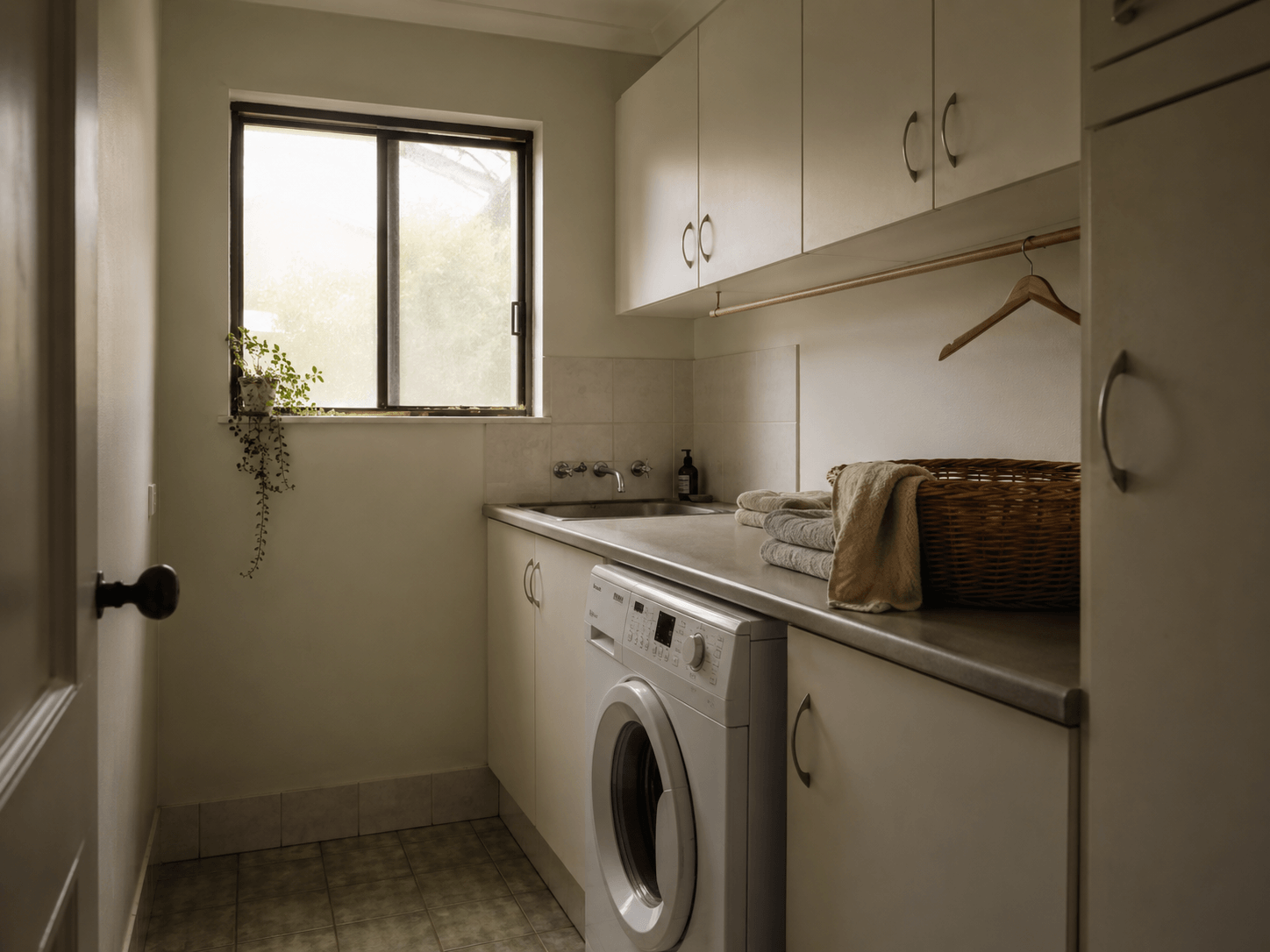
Towels, linen and clothes developing dark specks in cupboards, wardrobes or sealed rooms — usually where soft goods sit close to a wall or in still air.
RevealsHumidity reservoir behind storage and ventilation failure.
Black-staining grout in showers, splashbacks or wet-room corners — and the contamination usually extends past where it's visible into substrate.
RevealsWaterproofing failure or persistent humidity load.
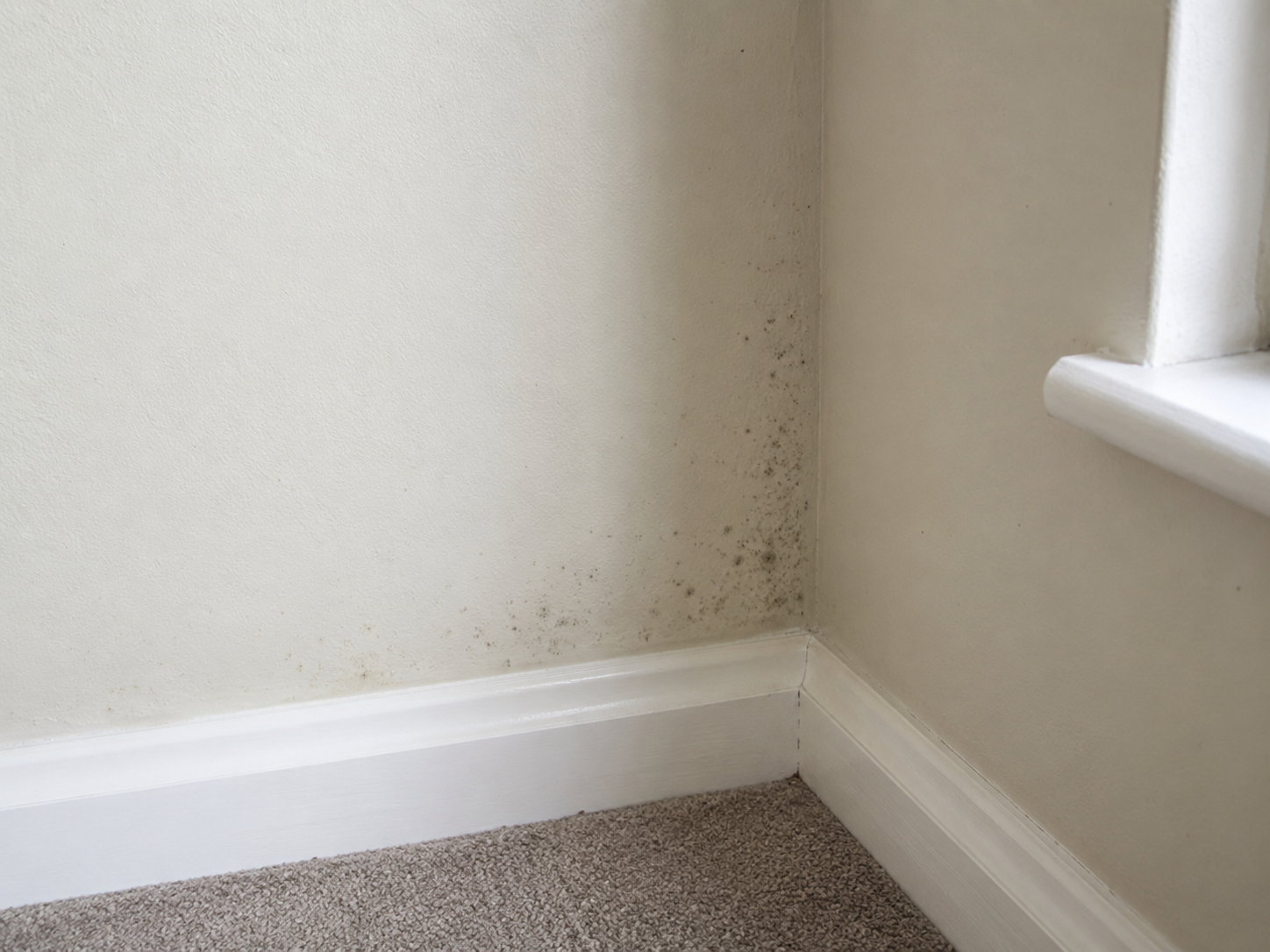
Regrowth in the same spot after a clean. Surface treatment isn't a diagnosis — the conditions that caused the bloom are still in the room.
RevealsActive moisture source or unaddressed affected material.
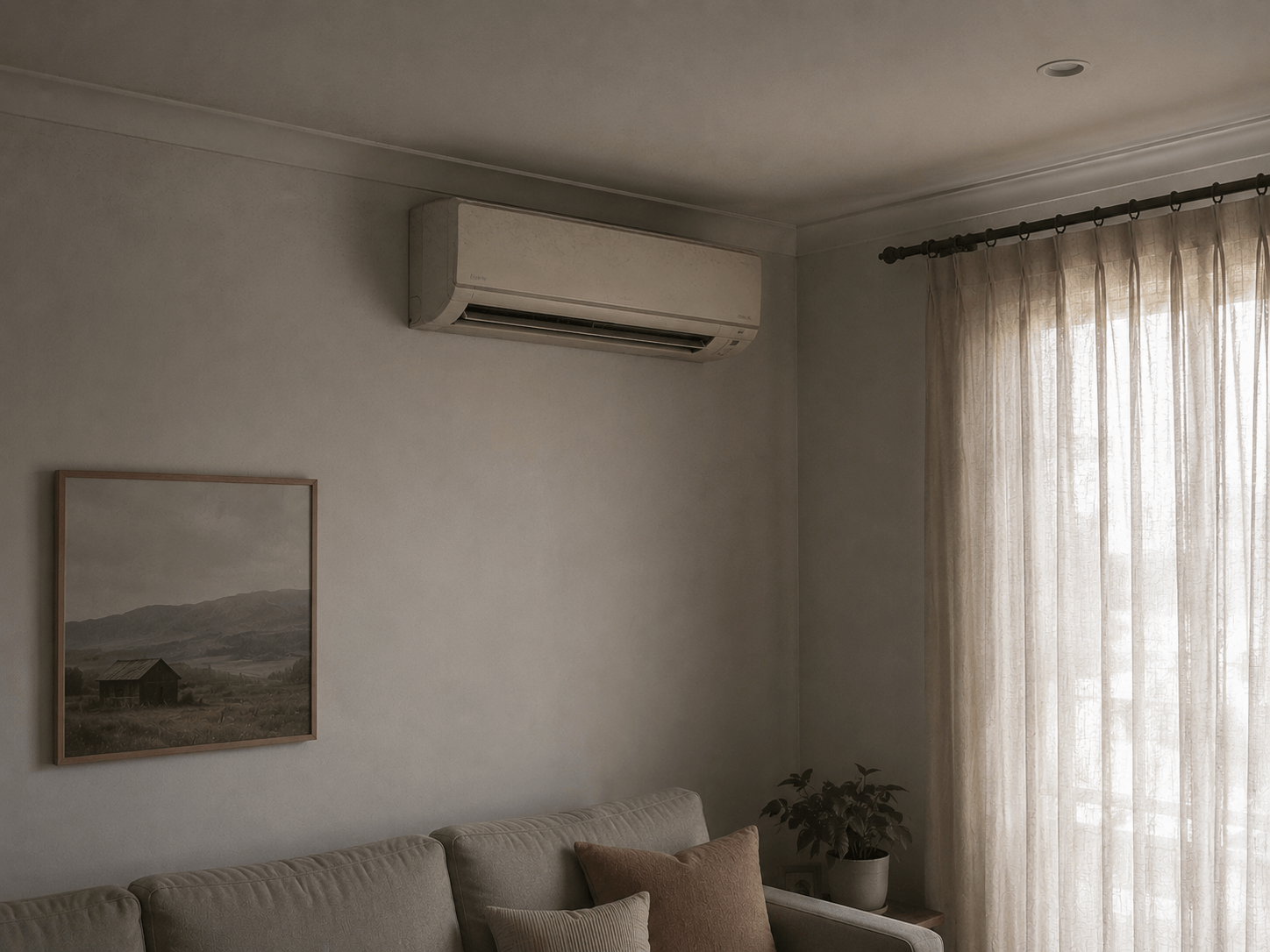
A musty smell that won't air out, rooms that feel close or damp, or a persistent sense that something's not quite right indoors.
RevealsHidden moisture, ventilation failure or HVAC carrying spores.
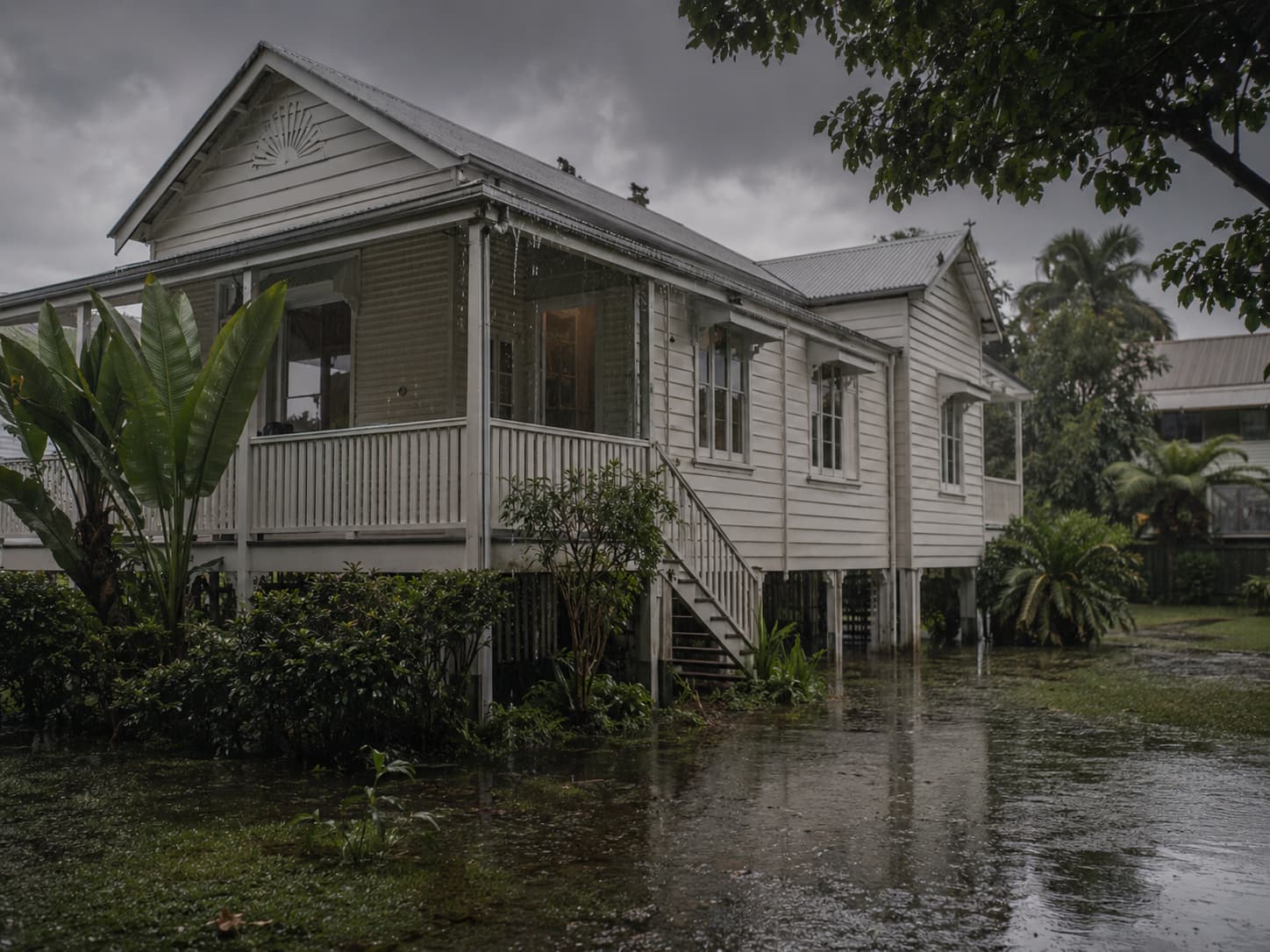
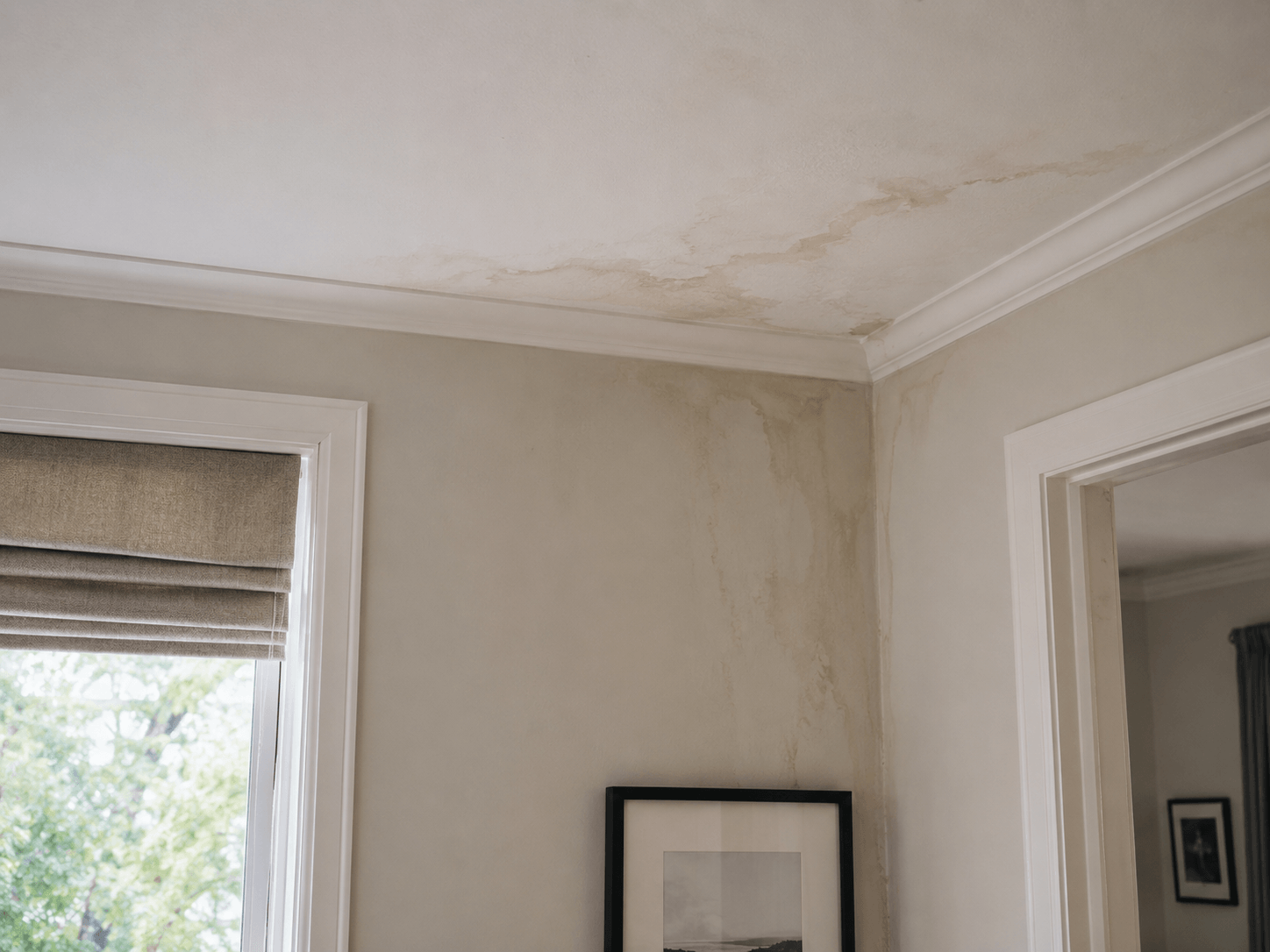
After a roof leak, plumbing failure or significant storm event, materials can stay wet long after they look dry to the eye.
RevealsMaterial that's still saturated despite looking surface-dry.
Pests happen to the house. Burst pipes happen to the house. Mould is a plumbing, waterproofing, or ventilation failure that hasn't surfaced yet. Not your guilty reminder.
Bleach clears what you see. On tile or grout, it works.
ButIf moisture's still feeding it, the patch returns within weeks.
Hot wash, vinegar soak and sun-drying do rescue spotted clothes, hopefully.
ButThe spores came from somewhere. Fresh laundry keeps spotting.
Cross-flow ventilation lowers indoor humidity. It's worth doing.
ButYou can't ventilate a wall cavity, or an AC compressor leaking behind the unit.
When you suspect mould but can't see it, the protocol stacks methods so nothing diagnostic-worthy gets missed.
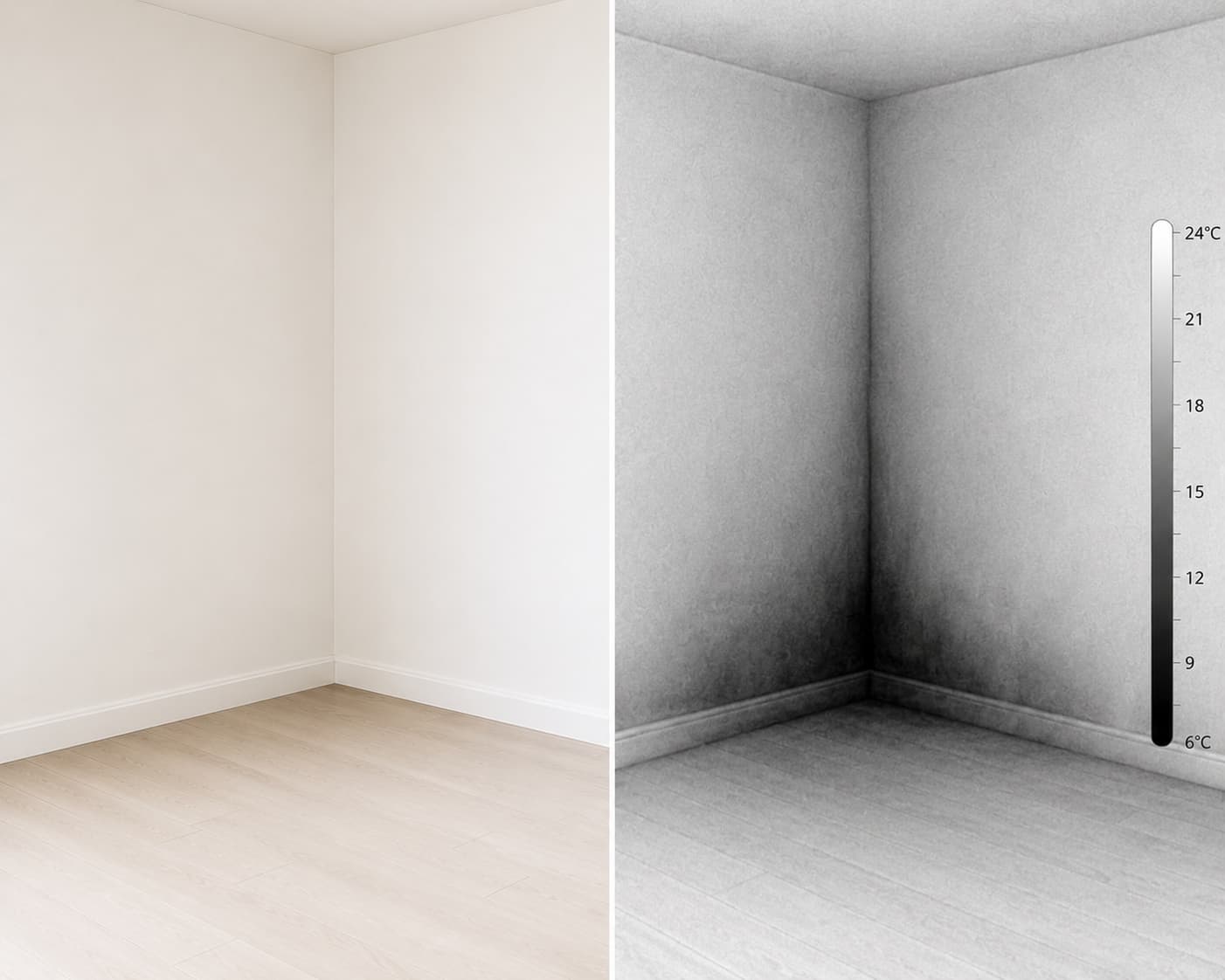
Surface temperature differentials across walls, ceilings, floors, plumbing lines and HVAC penetrations.
RevealsHidden moisture, cold bridges and leak paths.
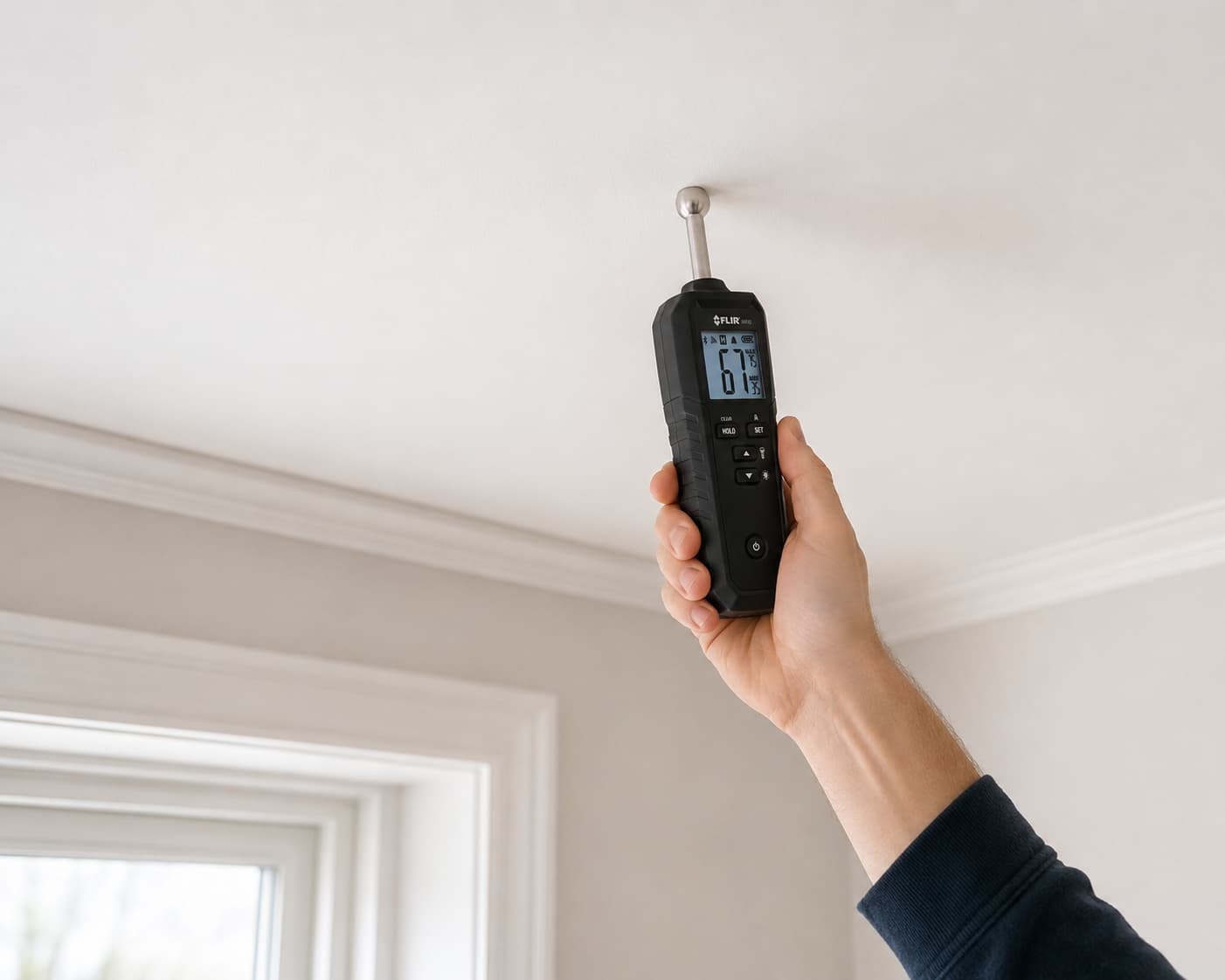
Pin and pinless readings at surface and depth across timber, gypsum, masonry, tile substrates and skirting cavities.
RevealsActive wetting and moisture migration.
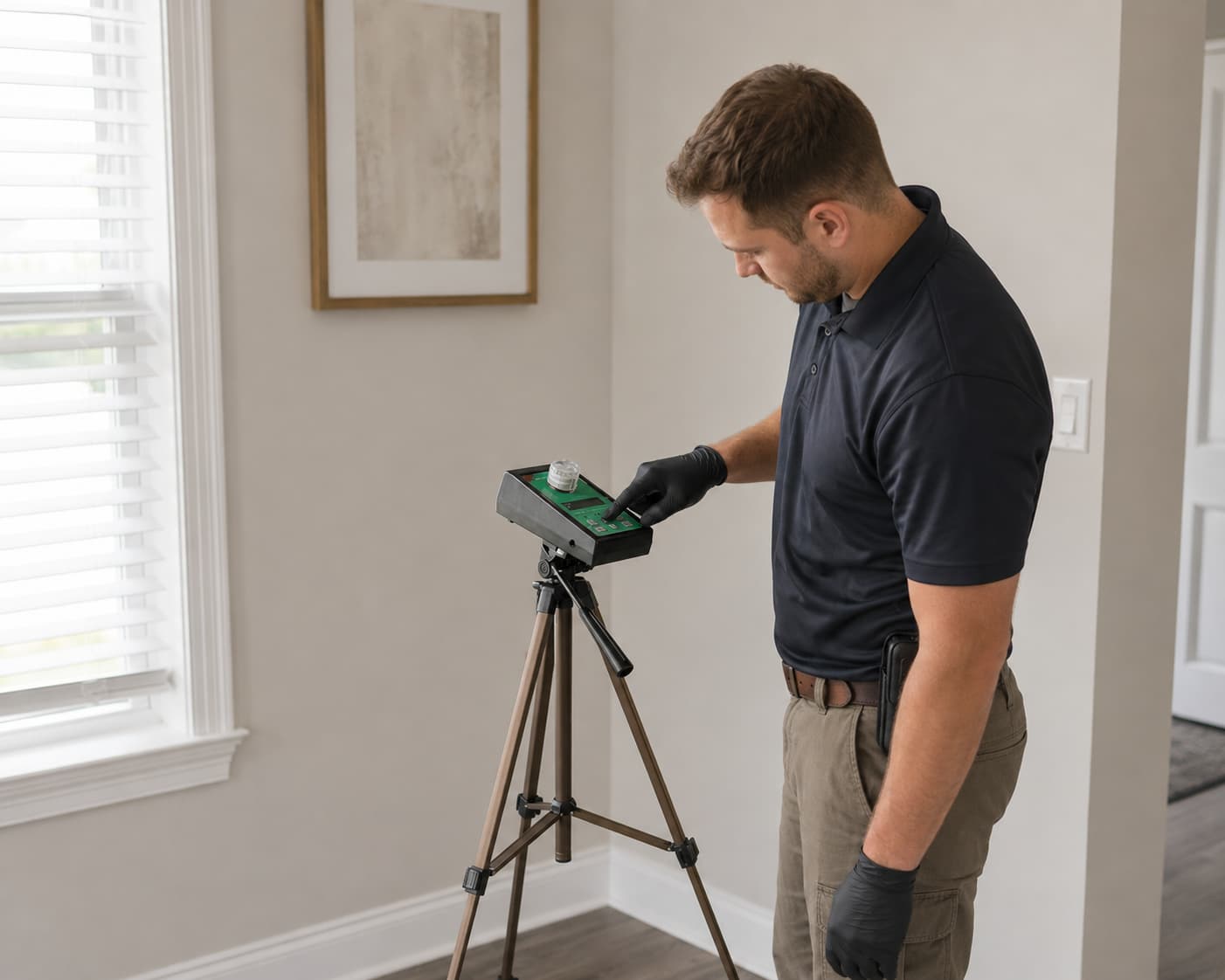
Continuous hygrometer logging on-site, plus optional indoor and outdoor control air samples to an accredited lab.
RevealsHumidity load and airborne spore count.

Independent sample handling and lab analysis where spore count, species profile or claim-ready evidence is needed.
RevealsContamination indicators and evidence support.
The patch is the symptom. These are the failure modes we typically trace it back to.
Failed flashings, displaced tiles, ageing penetrations around vents and chimneys, sarking gaps and box-gutter overflow.
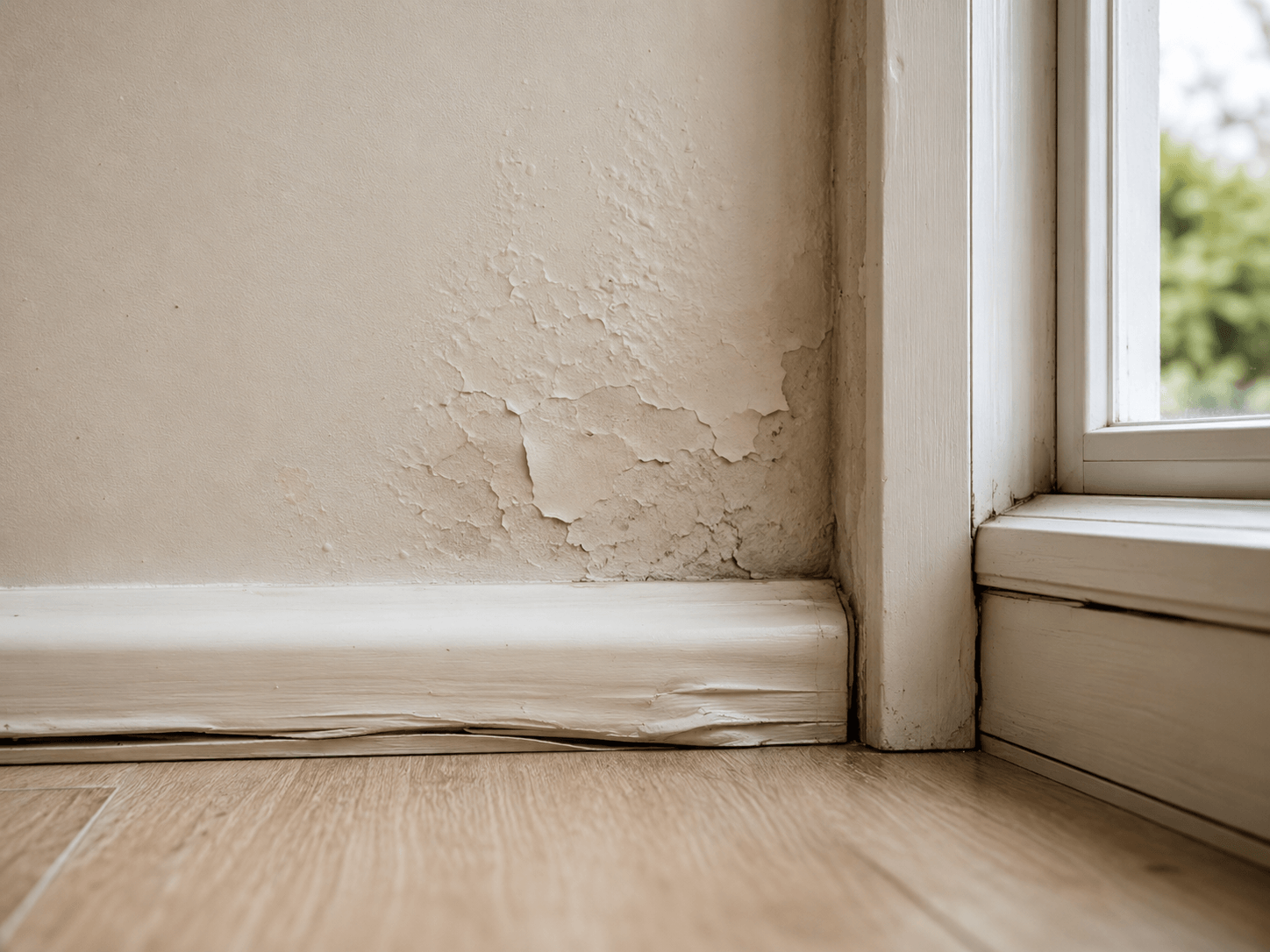
Failed window flashings, render cracks, blocked weep-holes and brick-cavity moisture migrating into internal linings.
Blocked gutters, downpipes discharging at the base of walls, and surface water pooling against slab edges instead of running to drain.
Ageing waterproofing under shower bases, sealant gaps at tile junctions and compromised membranes behind tiles and at hob upstands.
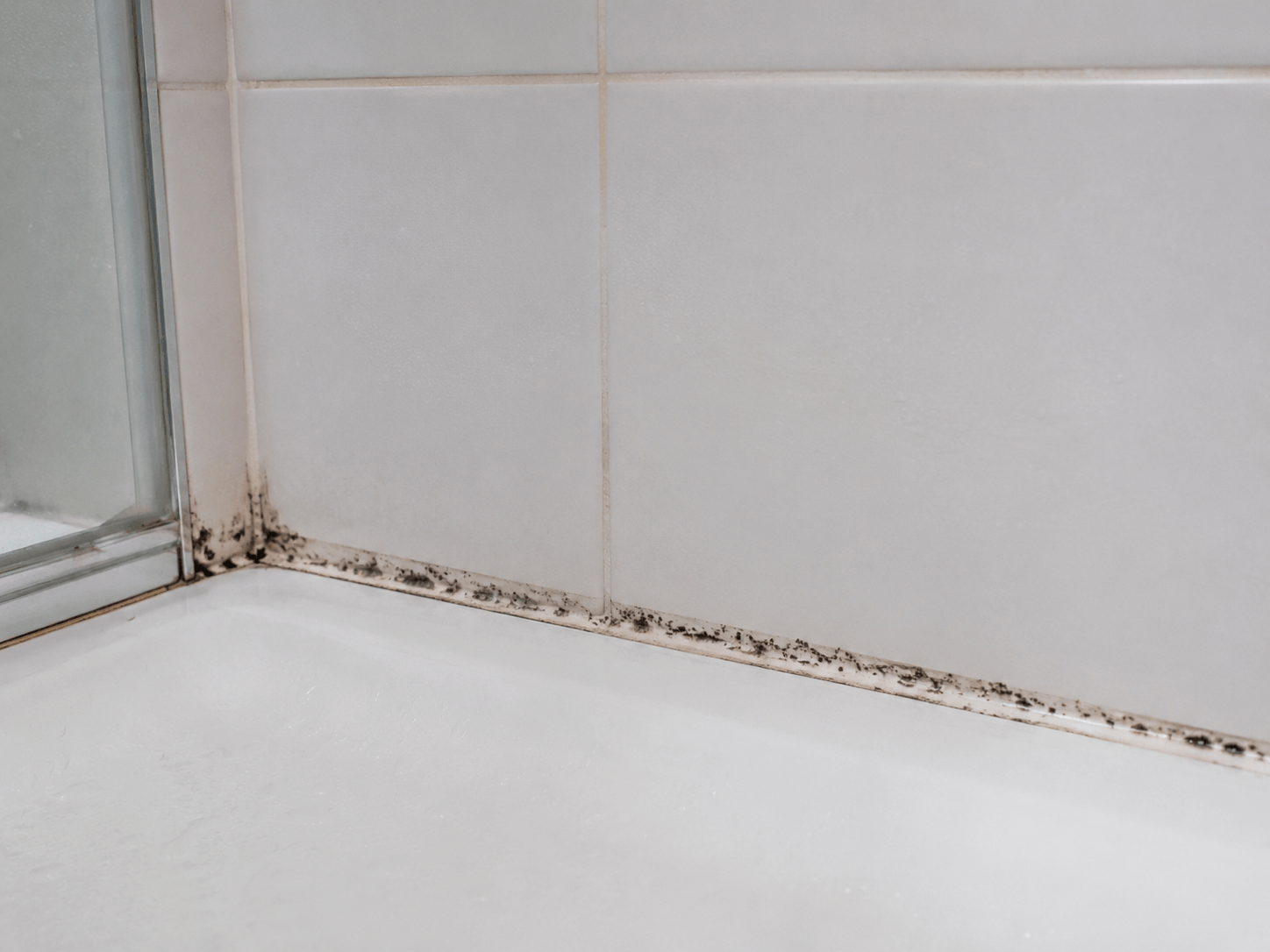
Hairline supply leaks behind walls, weeping shower-waste fittings and slab penetration faults that wet surrounding material long before it shows.
Dishwashers, washing machines and fridge water lines slowly seeping into joinery, flooring and the wall behind them.
Overflowing drip trays, blocked or poorly graded condensate lines, and split-system heads seeping into the wall behind them.
Exhaust fans dumping into roof voids instead of outside, recirculating range hoods, blocked subfloor vents and rooms with no cross-flow.
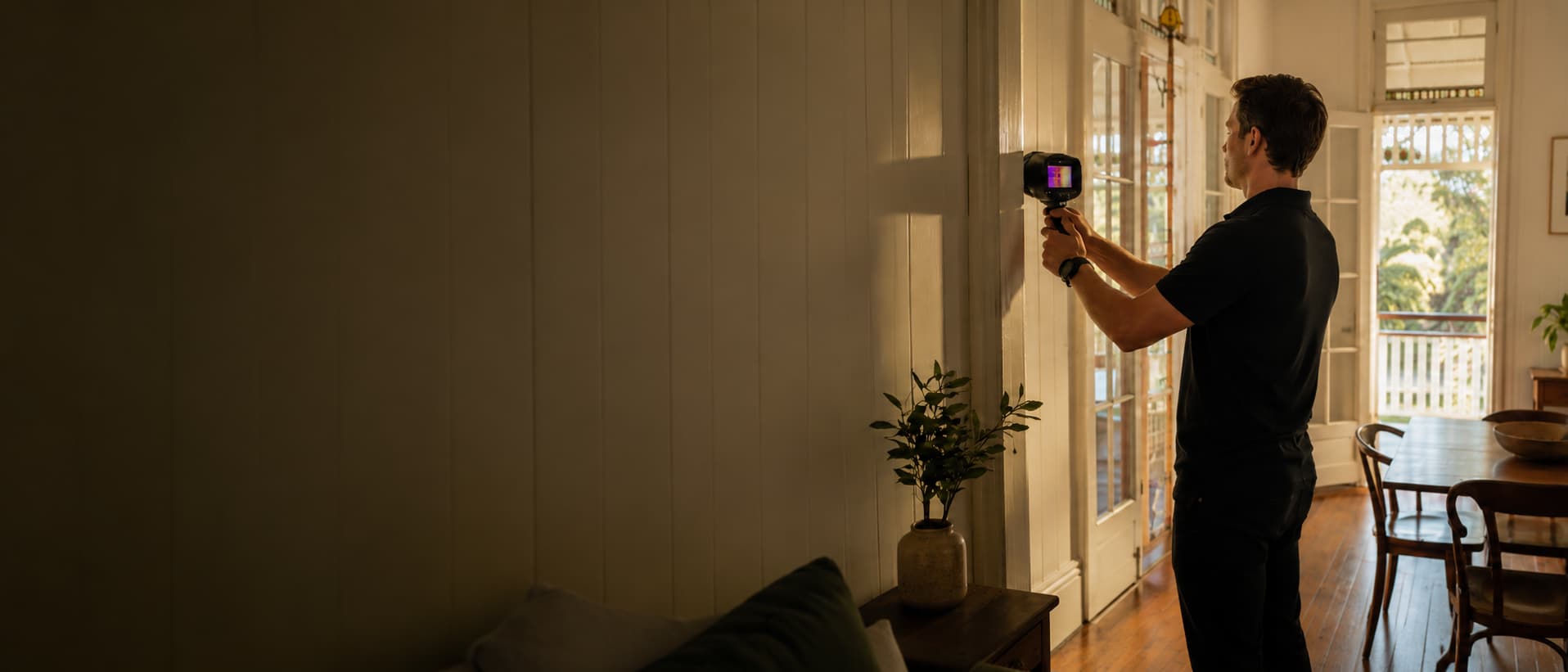
Undercroft dampness, slab-edge moisture, poor site fall and groundwater migrating up into bearers, joists and finished floors.
Common questions for owners and tenants who suspect a problem but can't yet see one.
That's still a useful answer, and you'll get it documented. A low-risk report with prevention guidance is valuable to have on file, especially as a tenant, owner or buyer.