
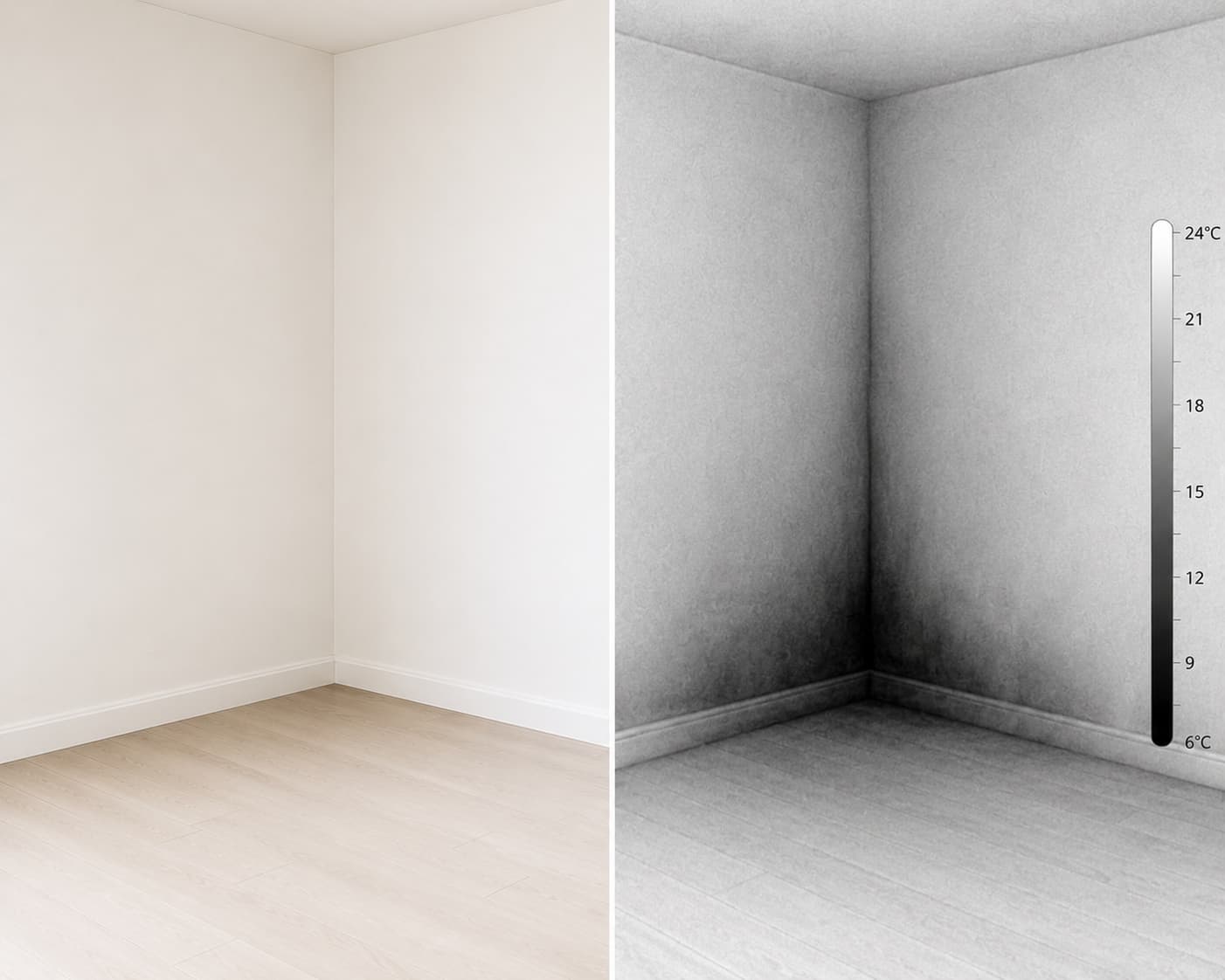
Thermal mapping
Surface temperature differentials across walls, ceilings, floors, plumbing lines and HVAC penetrations.
RevealsHidden moisture, cold bridges and leak paths.
Independent inspection, moisture mapping and reporting for tenants, homeowners and property managers. We document the cause, extent and likely repair pathway before anyone starts selling you the fix.

Visible mould is only one signal. We document moisture patterns, material damage, odour and air movement so hidden contamination has somewhere to show itself.
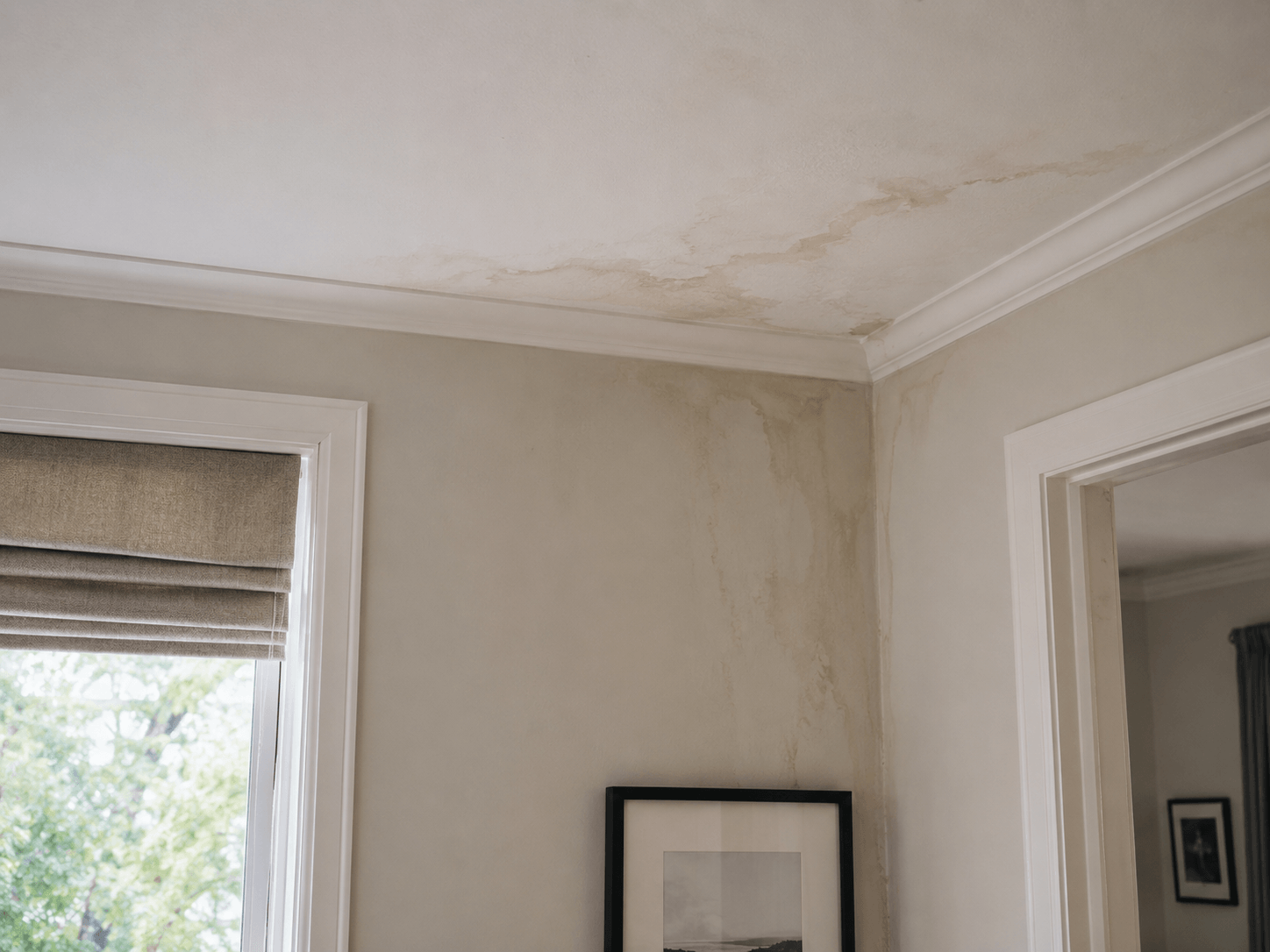
Brown rings, tide marks, swollen paint and shadowing can point to roof leaks, plumbing failures, condensation or historical wetting. The cause changes the response.
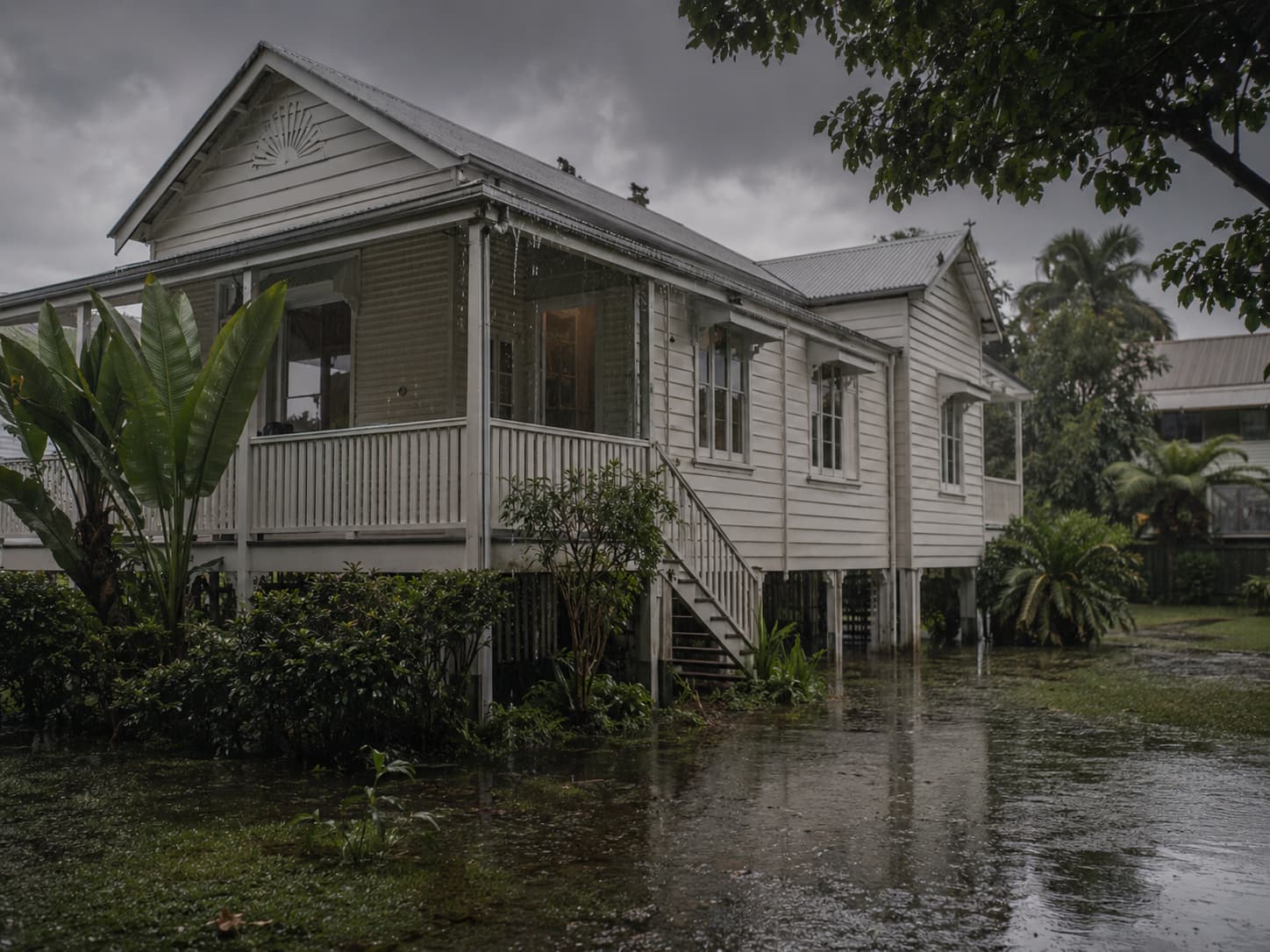
Heavy rain, stormwater overflow and flood events can push moisture into places that look dry again by inspection day. We check what the weather left behind.
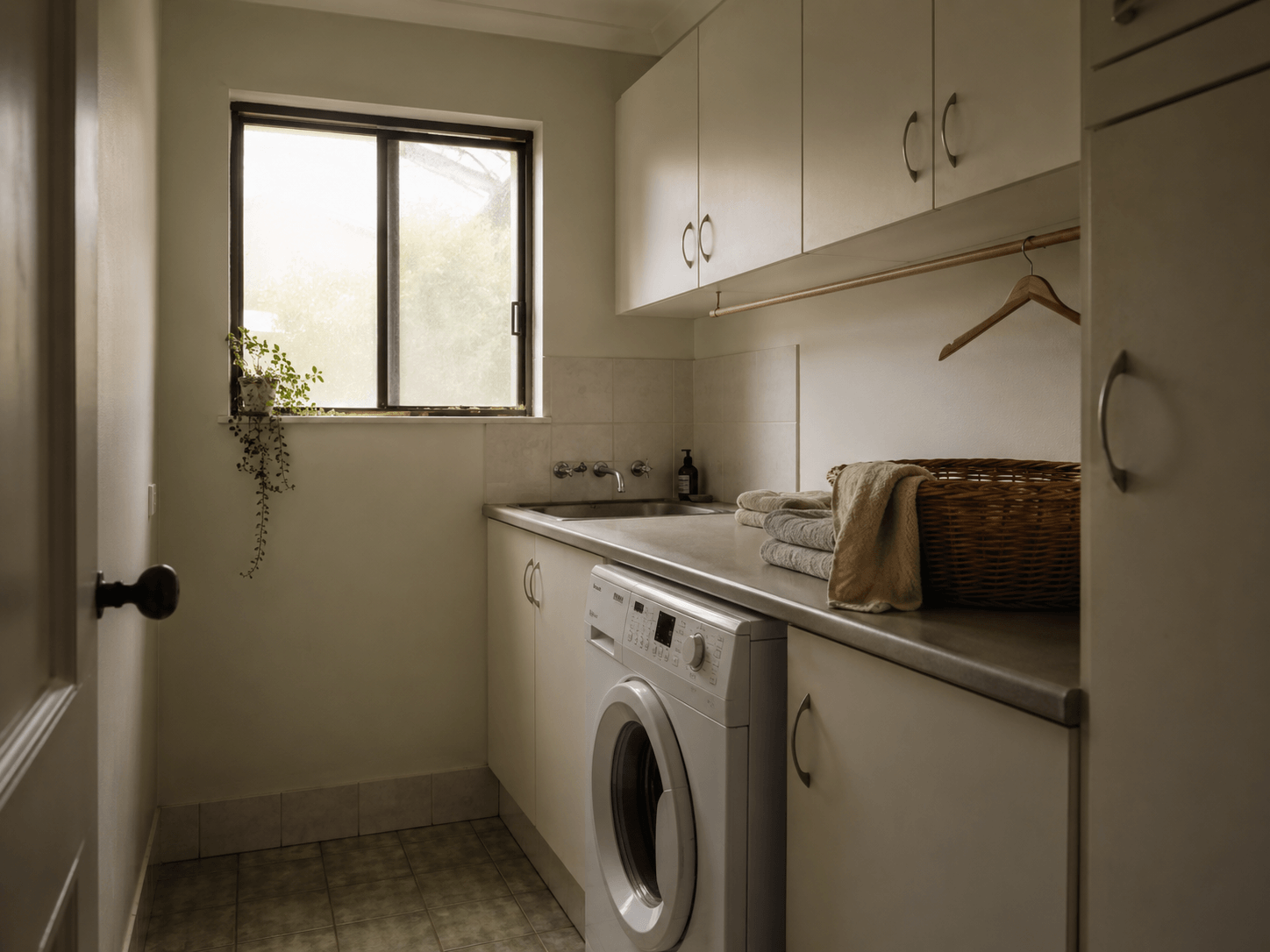
A persistent smell can come from wall cavities, cabinetry, underlay, HVAC or damp contents. We pair odour notes with readings instead of guessing.
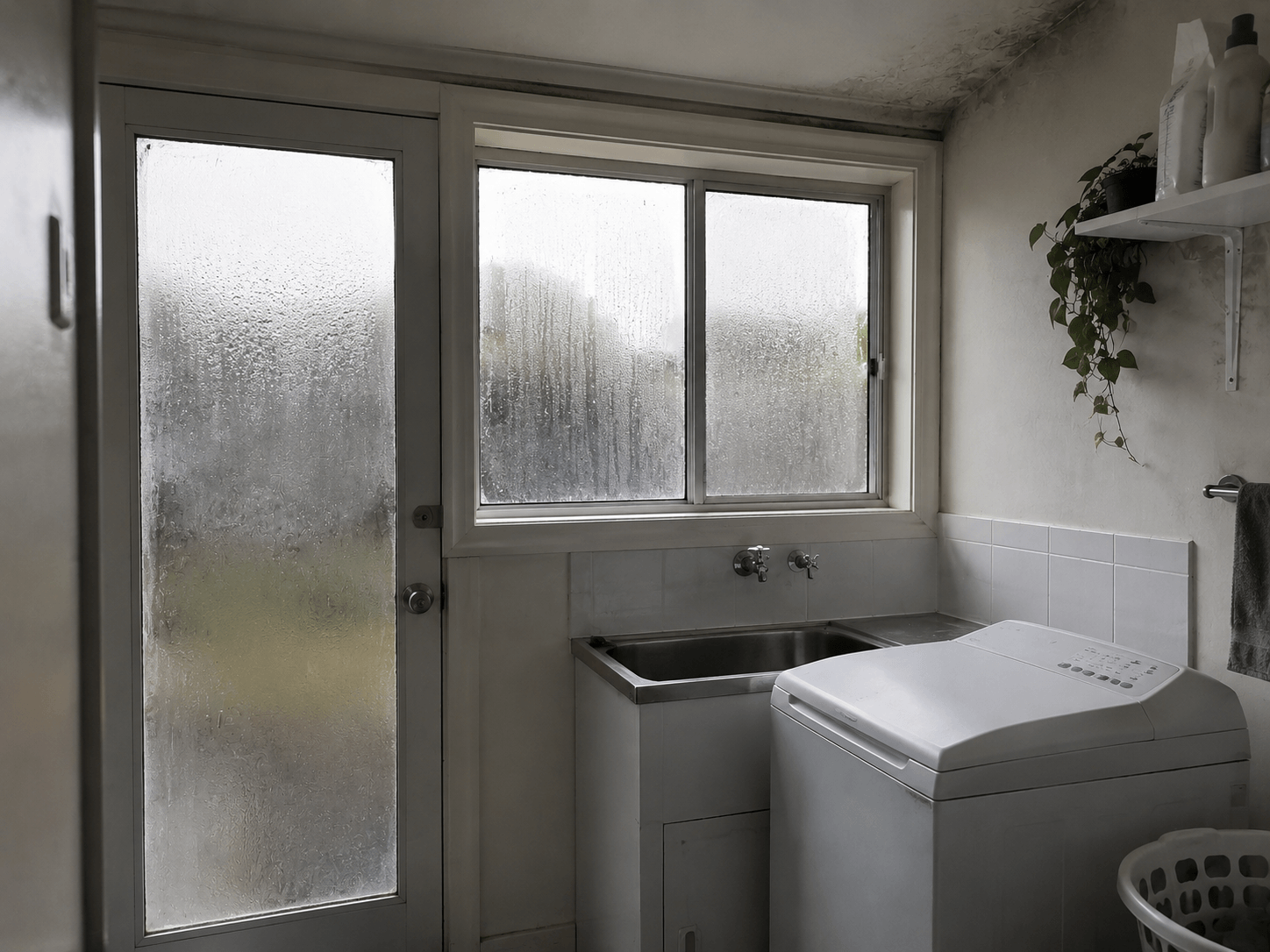
Wet windows, cold external walls and damp cupboards can create mould without a pipe leak. Dew-point risk is measurable, not a matter of opinion.
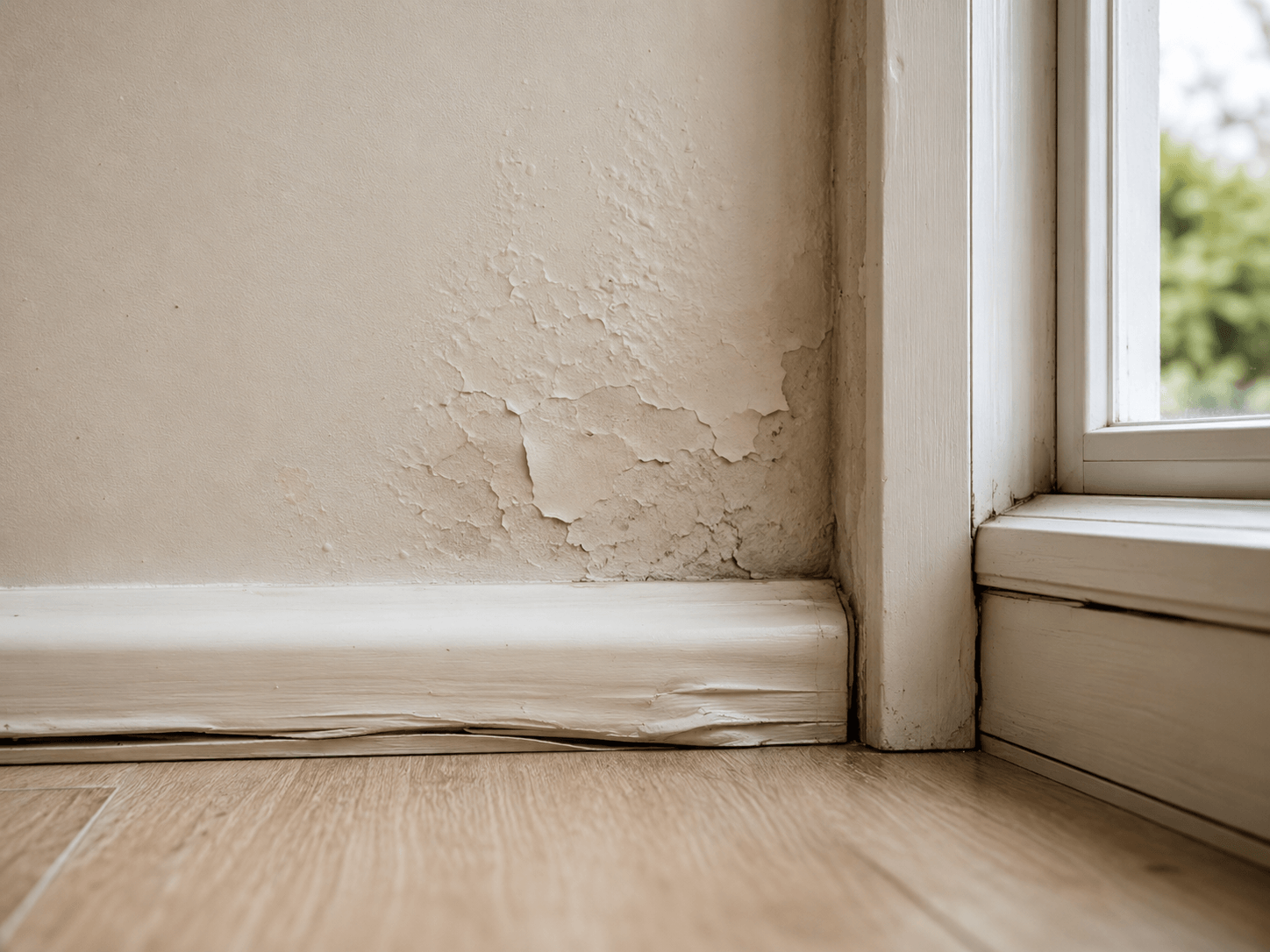
Material failure tells us how long moisture has been present and whether cleaning is enough. Sometimes the affected material has already lost the argument.
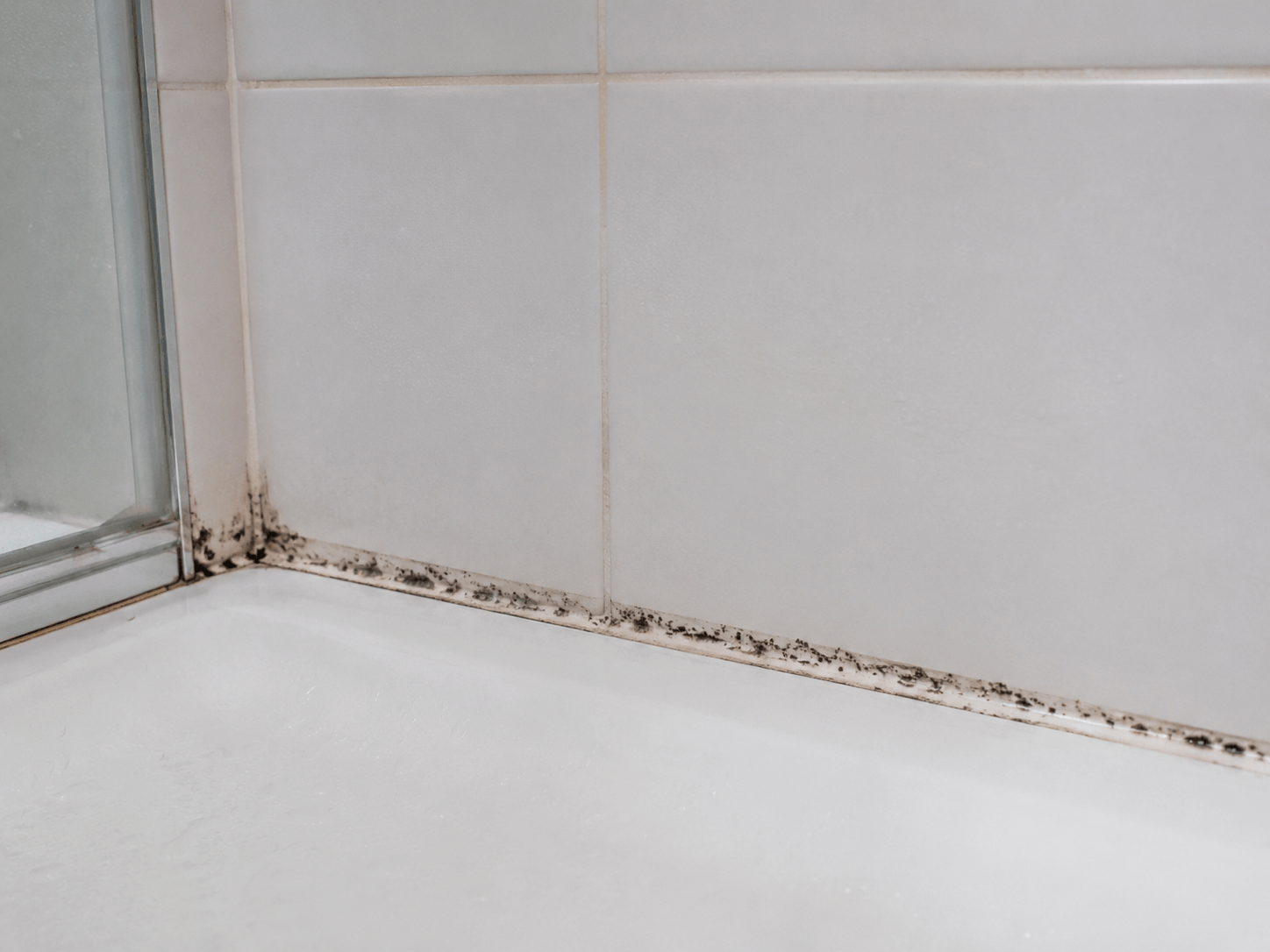
Regrowth usually means the moisture source is still active or the contaminated material was never properly dealt with. Surface cleaning is not a diagnosis.
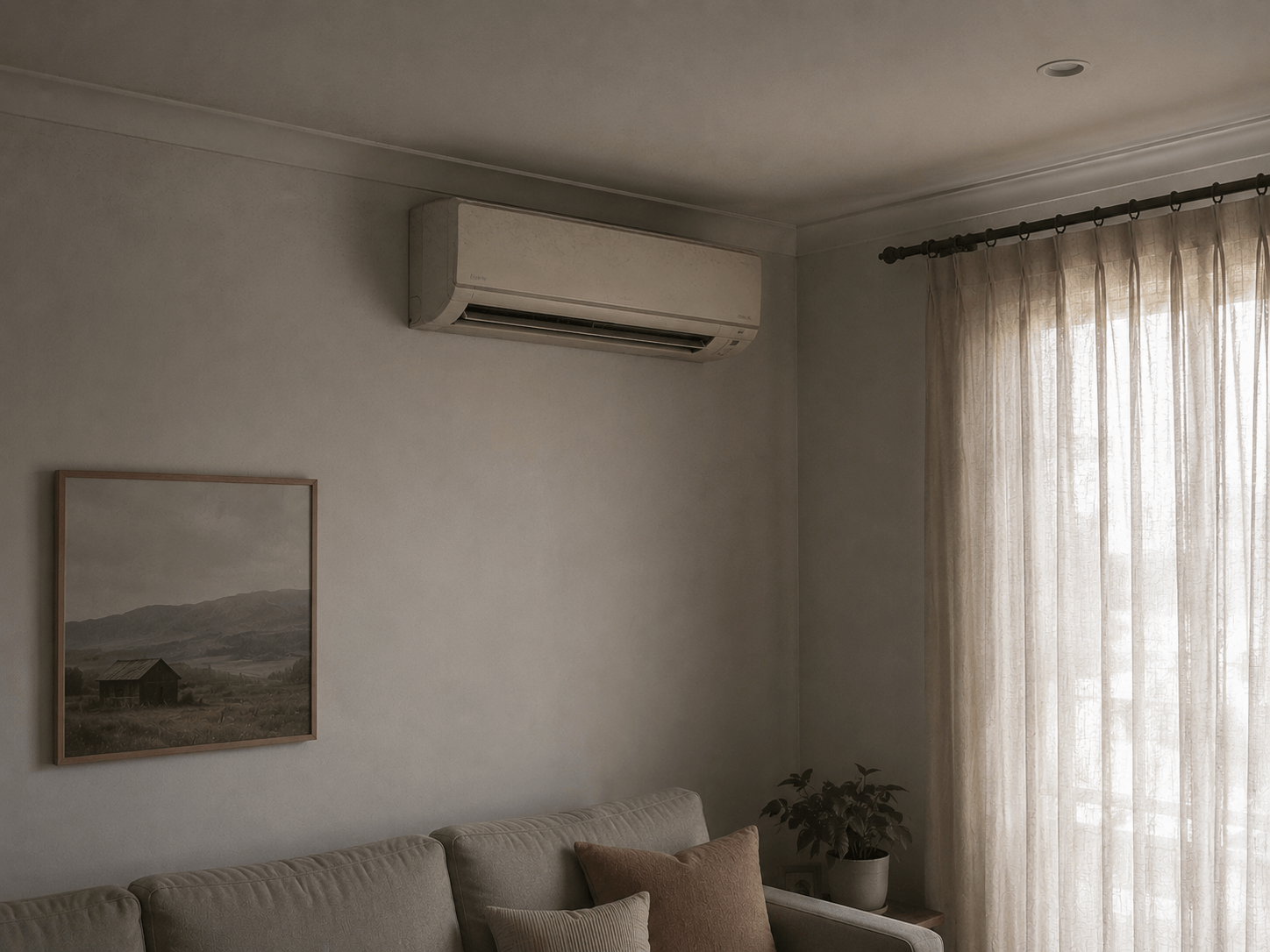
Air movement can carry spores away from the source. We check the room, the system and the surrounding moisture conditions before pointing at the obvious patch.
One in two Australians reported mould or dampness at home in the previous year. In Queensland rentals, damp and mould can also become a minimum housing standards issue. A Sporetrust report turns stains, odour, moisture and damage into a record people can act on.
Odour, damp materials and elevated indoor spores can show a problem before a wall turns black. We look past the surface without turning the home into a demolition site.
Queensland rental homes must meet minimum housing standards during the tenancy, including damp and mould rules unless the issue is tenant-caused. Evidence matters.
Photos can be argued with. Moisture readings, likely cause, affected materials and liveability notes give your request a record people can act on.
Leak, condensation, ventilation and historical wetting can look similar from the room. The repair path changes once the cause is measured.
Insurers need causation, extent and timing. We document what is affected and why, before repair quotes start shaping the facts.
An independent report helps you compare remediation, building and cleaning scopes against the actual damage, not the most expensive version of the story.
When mould is reported, owners and tenants need the same independent picture: what is present, what caused it and what needs to happen next.
Moisture readings, material damage and room conditions help separate a cleaning issue from a repair issue, and a minor concern from a habitability risk.
A diagnostic report gives remediation and building providers a clearer scope, while keeping the advice independent from the company quoting the fix.
What you're seeing — or not seeing yet — determines the right diagnostic. Pick the pathway that matches your situation.
Every Sporetrust inspection runs the same protocol, so the diagnosis is consistent, defensible and complete.
Surface temperature differentials across walls, ceilings, floors, plumbing lines and HVAC penetrations.
RevealsHidden moisture, cold bridges and leak paths.
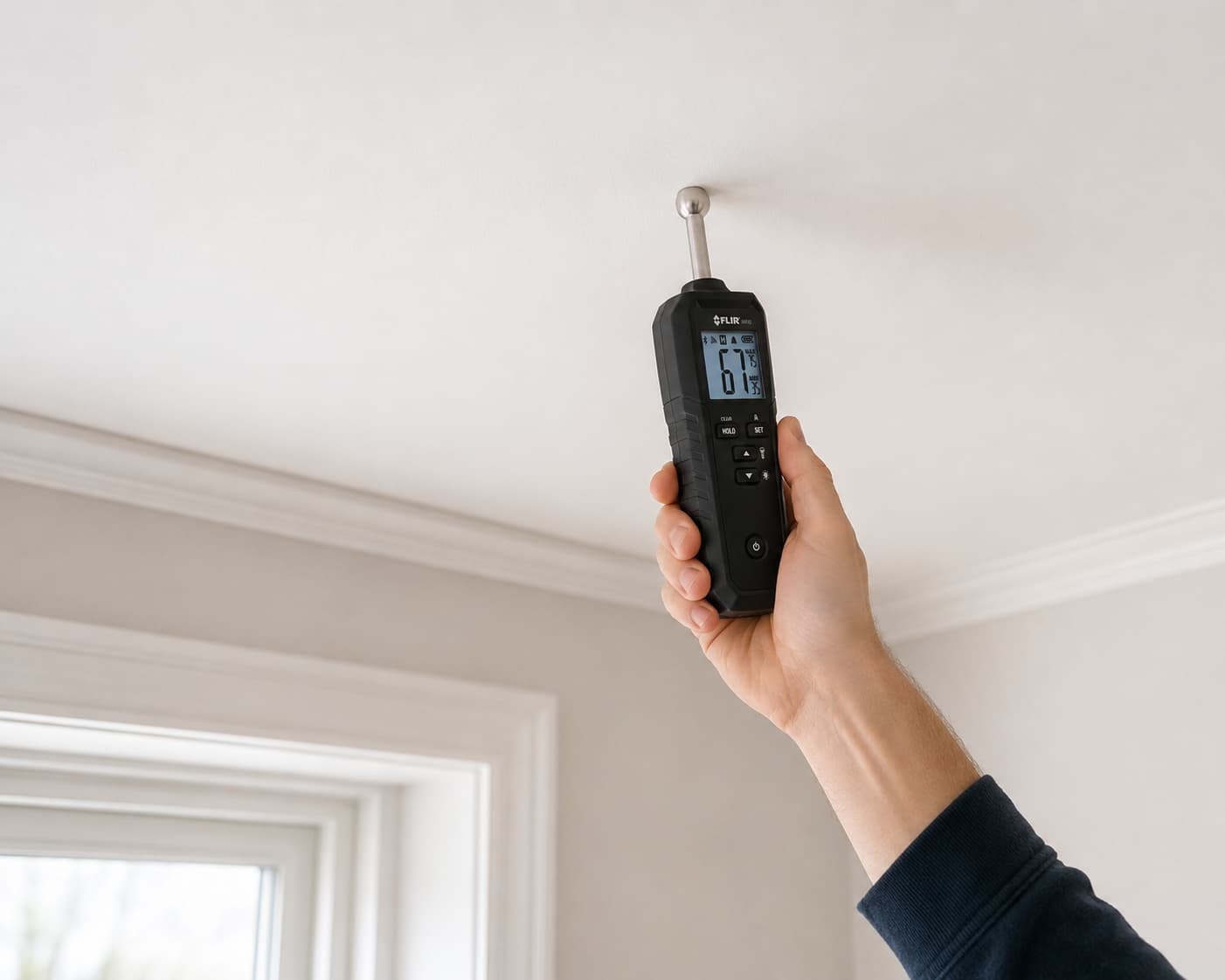
Pin and pinless readings at surface and depth across timber, gypsum, masonry, tile substrates and skirting cavities.
RevealsActive wetting and moisture migration.
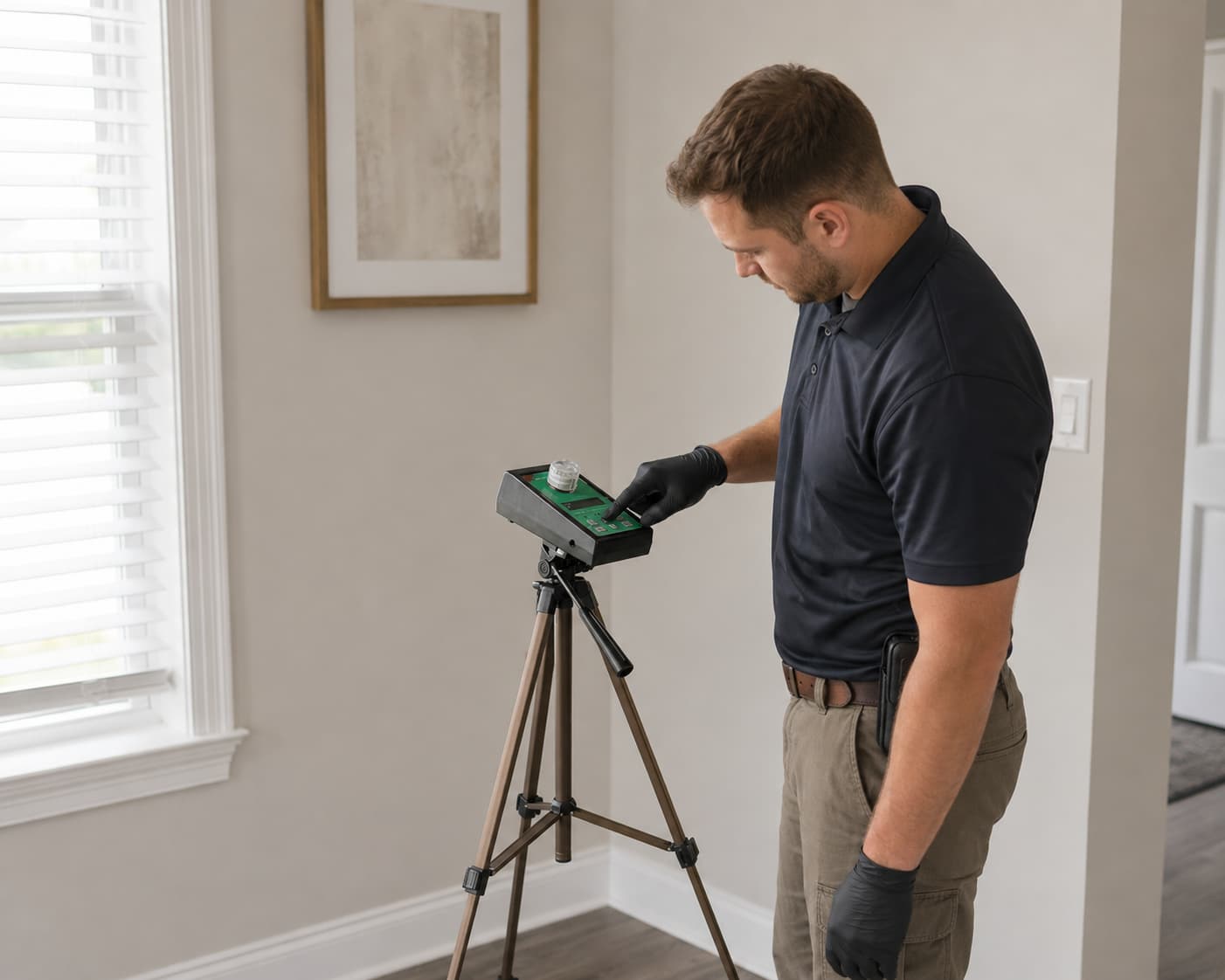
Continuous hygrometer logging on-site, plus optional indoor and outdoor control air samples to an accredited lab.
RevealsHumidity load and airborne spore count.
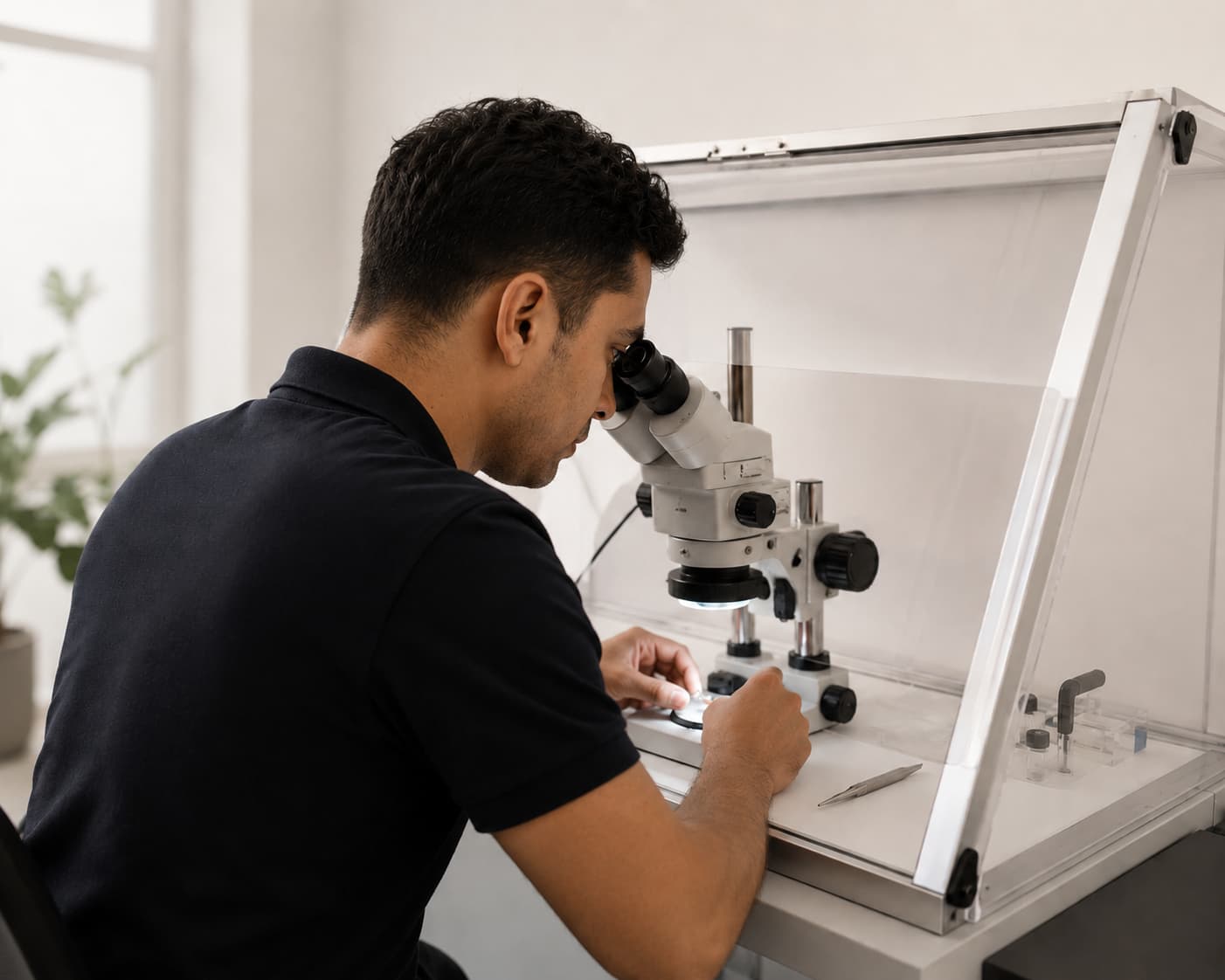
Independent sample handling and lab analysis where spore count, species profile or claim-ready evidence is needed.
RevealsContamination indicators and evidence support.
Sample residence · Coorparoo, Brisbane QLD
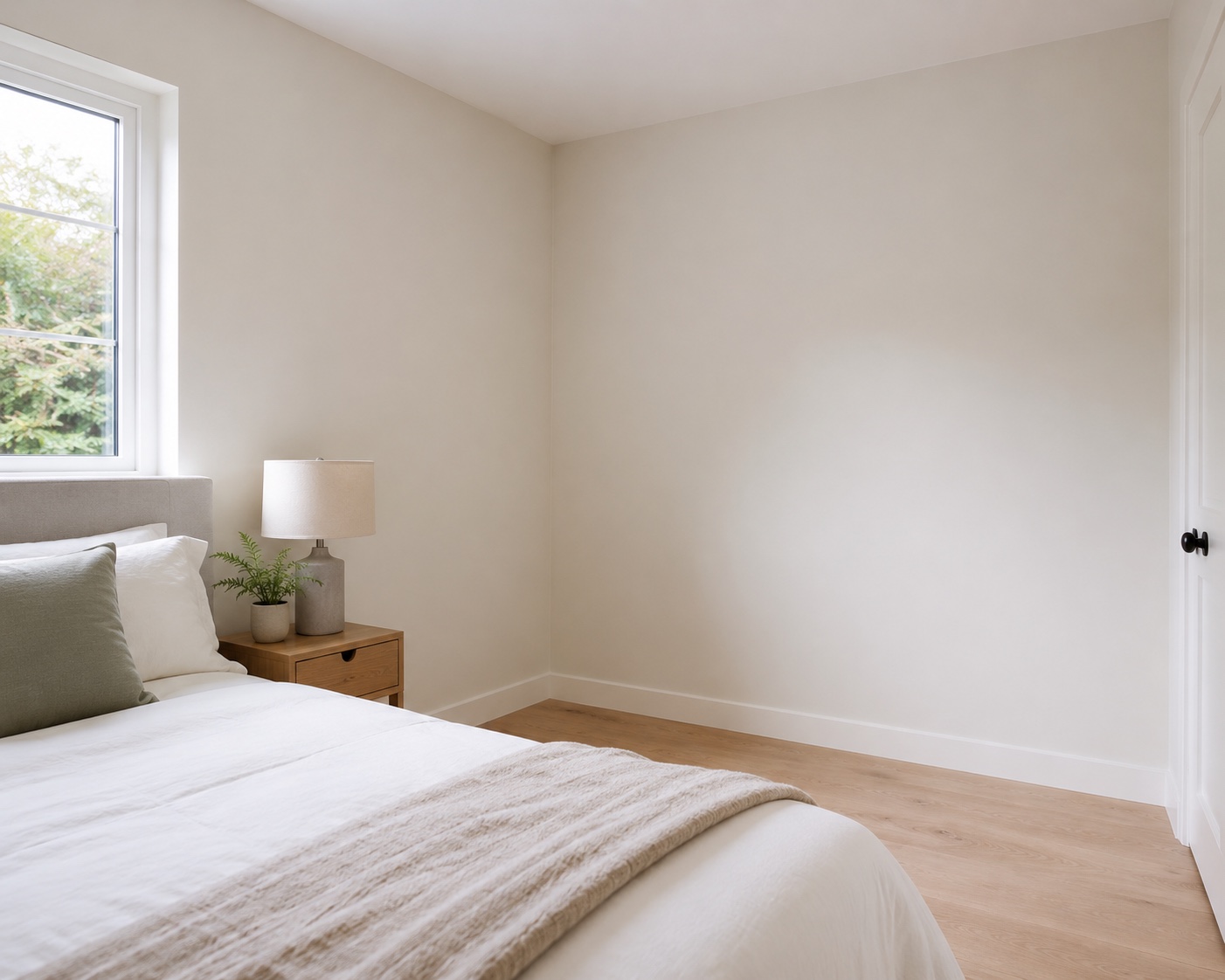
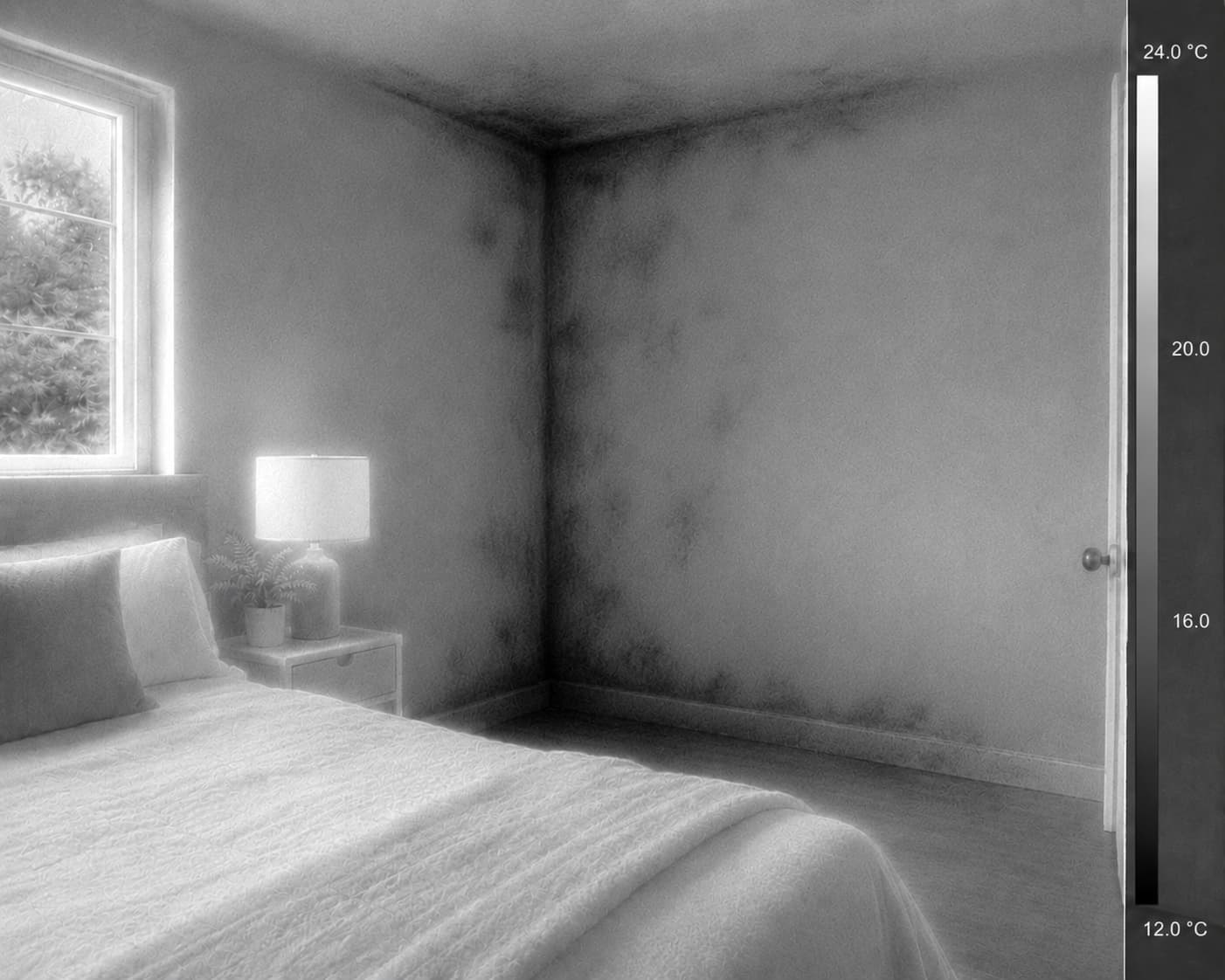
Δ −6.3 °C vs room · cavity wetting at SE corner — invisible at the surface, mapped in thermal.
From the moment you book, you'll know what's coming, when it lands and what it costs. No upsell, no callout fees, no quote pressure.
Tell us what changed: stains, smell, leaks, symptoms, disputes, claims or prior cleanup. We confirm fit and schedule the visit.
Moisture readings, thermal imaging, photos, odour notes, ventilation checks and optional air or surface sampling — all on-site, one visit.
Plain-English findings: cause, extent, photos, thermal images, moisture record and a defensible repair-cost range — sharable PDF and portal access.
No treatment pitch. Use the report with your landlord, insurer, builder or a contractor you trust. We can introduce vetted partners if you want.

Two diagnostic visits a year, a stacked record of your home, and reduced subscriber rates whenever something needs a closer look.
A full thermal, moisture and humidity sweep, twice a year — same Sporetrust protocol, scheduled in advance.
Each visit stacks into a standing diagnostic history — defensible evidence for insurers, builders, tribunals or future buyers.
Subscriber rate on follow-up re-inspections and lab-backed air sampling when something needs a closer look.
Front-of-queue scheduling plus a subscriber line for moisture and mould questions between visits.
We don't sell mould treatments, fogging, encapsulants or repairs. In an uneven remediation market, your first document should come from someone who isn't quoting the cleanup.
Still unsure? Send us a quick note in the booking form. We'll come back the same business day.
No. We inspect, document and report. If remediation or building work is needed, we can point you toward vetted providers with the right speciality, but we do not clip the ticket on the cleanup.